Why I Wanted to Talk About Pinterest Differently
This year, I’ve been intentional about interviewing creative people who are using Pinterest in ways that go beyond traditional marketing, and Lyrik Fryer from Work Play Branding immediately stood out. When I first saw how her team uses Pinterest as a collaborative tool with clients, not just a promotional platform, I knew this was a conversation worth having. What intrigued me most was how visual clarity, not algorithms, was driving their process and helping business owners better understand what they were trying to say with their brand.
The Gap Work Play Branding Filled
As Lyrik shared the story behind Work Play Branding, it became clear that this wasn’t a company built from a sudden lightbulb moment. It evolved by listening closely to what clients kept asking for. Over time, the team noticed that visuals were doing more of the heavy lifting than logos, color palettes, or messaging alone. Clients didn’t just want a one time brand shoot. They needed recurring visuals that could support everything from launches to everyday storytelling. That realization shaped their membership based model and changed how branding shows up as an ongoing system rather than a one and done project.
Related: What it Really Means to Understand Branding
Founder Story, Trust, and the Shift in Visual Content
One of the most interesting parts of our conversation centered on founder story and what Lyrik described as a trust recession. Audiences are no longer satisfied with polished perfection. They want to see the real person behind the business. What stood out to me was how simple this can actually be. Instead of scripting content or chasing trends, documenting real-life moments over time tells a more believable and compelling story. Having a dedicated media team to capture those moments creates consistency and removes the pressure from trying to do everything yourself.
How Pinterest Becomes a Collaborative Tool
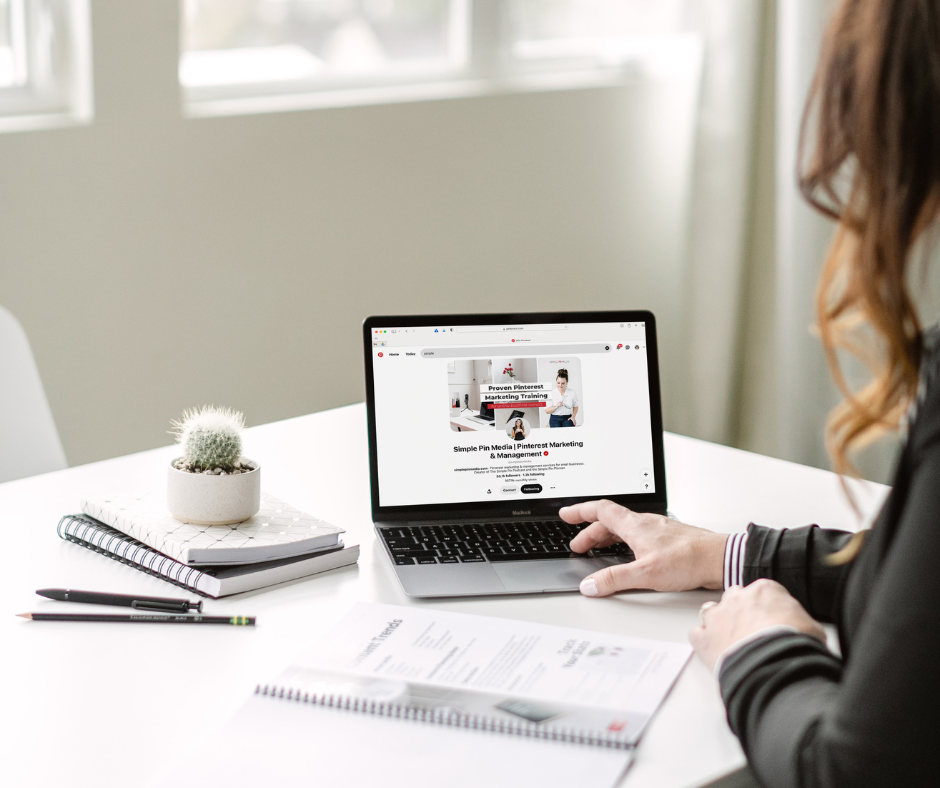
Pinterest plays a key role in making all of this work. Instead of relying on vague descriptions or subjective opinions, Lyrik’s team uses Pinterest boards to align visually with clients before a single photo is taken. The boards help clarify tone, mood, and direction, while also revealing when ideas don’t quite fit together. What I loved most is that these boards stay public, allowing inspiration to flow both ways. Clients can see how others are approaching their visuals, which often unlocks ideas they didn’t even know how to articulate yet.
Want to read this later?
Related: What You Need to Know About Boards on Pinterest
A Better Way to Think About Branding in 2026
This conversation reminded me how much branding has changed and how freeing that can be. Cohesion no longer means everything has to look the same. Instead, it’s about creating visuals that match the moment, the platform, and the message. Whether you’re an e-commerce seller struggling with lifestyle imagery or a service provider unsure how to show up visually, tools like Pinterest and systems like Work Play Branding offer a clearer path forward. As we head into 2026, creativity doesn’t have to feel overwhelming. With the right structure, it can actually become the thing that accelerates everything else.
Podcast Episode
Using Pinterest as a Collaborative Tool
You can find this podcast episode by going to Apple or Spotify.
For More Pinterest Marketing Resources:
Sign up for Work Play Branding and get 10% off when you use the code KATE