Why Pinterest Still Matters for Online Stores
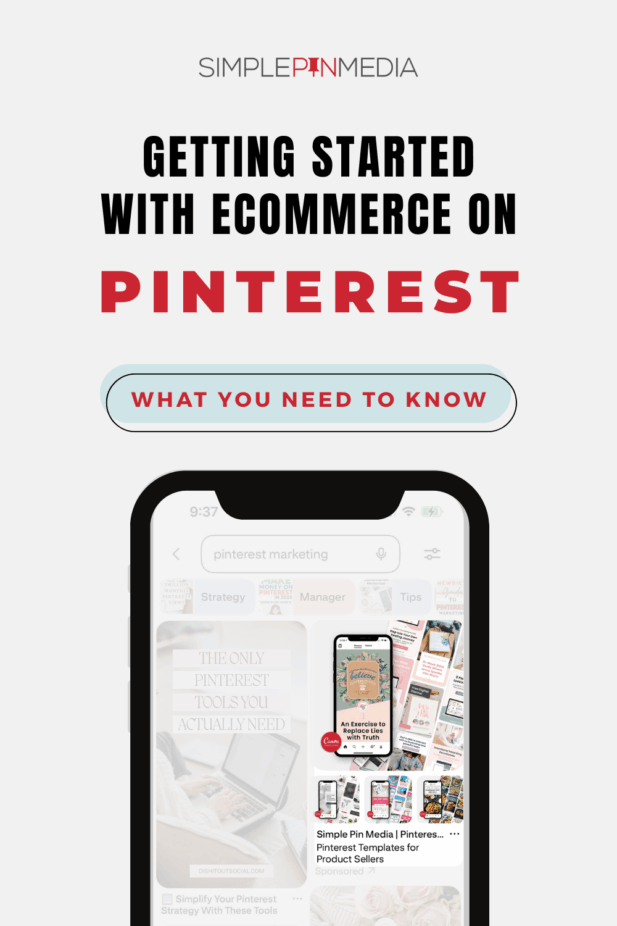
I talk with a lot of shop owners who either ignore Pinterest or set up an account and never return. I get it. Pinterest has a reputation for being all recipes and wedding boards, yet it has become one of the strongest discovery tools for shoppers. People come to Pinterest with purpose, not to pass time. They search for ideas, compare options, and look for products that fit their plans. With nearly six hundred million active users each month and a high concentration of buyers with real spending power, it is a place where product driven businesses can grow in a steady and predictable way.
Related: The Latest Shop Features on Pinterest

Building a Strong Pinterest Foundation
When I set up a Pinterest business account, I treat it like the front window of a shop. The profile name explains what I sell and the description gives a clear snapshot of the brand. From there I create boards that mirror my product categories. These boards are named in the same language shoppers use, not internal phrases like our products. I fill each board with thoughtful descriptions and keep the first few boards especially polished since most visitors never scroll far.
Related: What You Need to Know About Boards on Pinterest
Designing Pins That Capture Attention
The real work begins with pin creation. Vertical images perform best, so I focus on clean visuals and simple text that helps Pinterest understand what the pin represents. Video is performing incredibly well right now and viewers often buy after watching short clips, so I include quick demos, unboxings, styling ideas, or testimonials. Every pin has a clear title, a helpful description, and a link that sends people to the exact page they expect. I never send visitors to a homepage and I never post a pin without a link.
Related: Troubleshooting Pinterest Images
Using Pinterest SEO and Shopping Features
Pinterest operates like a search engine, so I spend time researching keywords inside the search bar and the Pinterest trends tool. This helps me shape pin titles, descriptions, and even future content. If my shop runs on a self hosted platform such as Shopify or WooCommerce, I connect my product catalog. This single step updates price and inventory automatically and prevents those frustrating dead ends when a viral pin leads nowhere. It also gives shoppers quick access to product details without extra steps.
Related: Troubleshooting Pinterest Keywords
Want to read this later?
Growing With Ads and Staying Patient
Once my account is built out with strong organic content, I turn to Pinterest ads to speed up growth. The targeting options are powerful and many of our clients see steady returns once campaigns have time to mature. Still, Pinterest is not an overnight platform. Traffic usually rises before sales do. That early traffic is a sign that people want what you offer, and ads can help you reach the right audience faster. With consistent posting, a connected catalog, and a patient mindset, Pinterest can become one of the most reliable sources of traffic and revenue for an online store.
Related: How Pinterest Ads 5x Sales
For more Pinterest Marketing resources:
Book a Discovery Call with the Simple Pin Media Team
What You Need to Know About Boards on Pinterest
News Article About Pinterest Assistant
The Latest Shop Features on Pinterest
Shop: Pinterest Clean-Up Guide
Watch: The Latest Shopping Features on Pinterest